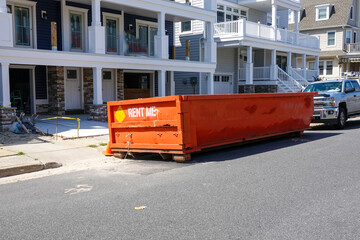
Using a roll off dumpster is an efficient way to manage large volumes of waste during renovations, construction projects, cleanouts, and landscaping work. While dumpster rental simplifies disposal, safety should always be a top priority. Roll off dumpsters are large, heavy containers that can pose risks if used improperly.
Understanding and following roll off dumpster rental safety tips helps protect people, property, and the success of the project. With proper planning and awareness, a dumpster can remain a helpful tool rather than a hazard. Visit this website at https://netxdumpsterrentals.com/ for more information.
Understanding Why Roll Off Dumpster Safety Matters
Roll off dumpsters are designed to hold significant amounts of debris, including heavy and sharp materials. Improper use can lead to injuries, property damage, or delays in pickup. Accidents around dumpsters often occur due to overfilling, improper loading, or lack of awareness of basic safety practices.
Safety matters not only for workers on construction sites but also for homeowners, family members, pets, and neighbors. A well managed dumpster reduces risks and keeps the project environment organized and controlled.
Recognizing potential hazards early is the first step toward safe and responsible dumpster use.
Choosing the Right Dumpster Size for Safety
Safety begins before the dumpster arrives. Selecting the correct dumpster size plays a major role in preventing accidents. A dumpster that is too small may fill up quickly, encouraging overfilling or unsafe stacking of debris.
Overloaded dumpsters increase the risk of falling materials, instability, and refusal of pickup by the rental company. Choosing a size that comfortably accommodates the project’s waste helps maintain safe fill levels and even weight distribution.
When unsure, consulting the rental provider about project scope and materials can help ensure a safer size choice.
Proper Dumpster Placement
Correct placement of the roll off dumpster is essential for safety. The dumpster should be placed on a flat, stable surface that can support its weight, especially once filled. Uneven ground increases the risk of tipping or shifting.
The placement area should allow clear access for loading and unloading while keeping walkways, doors, and driveways unobstructed. Avoid placing the dumpster near slopes, soft ground, or areas prone to flooding.
If the dumpster is placed on a driveway or paved surface, using plywood or boards underneath can help protect the surface and prevent shifting.
Maintaining Clear Access Around the Dumpster
Keeping the area around the dumpster clear is a key safety practice. Cluttered surroundings increase the risk of trips, falls, and injuries. Tools, materials, and debris should not be left near the dumpster’s edges.
Clear access also allows safe movement of heavy items into the dumpster without obstruction. This is especially important when multiple people are working on the project at the same time.
Maintaining a clean and organized area around the dumpster supports both safety and efficiency.
Following Weight Limits and Load Distribution
Every roll off dumpster has a weight limit based on its size and design. Exceeding this limit can cause structural strain, increase the risk of accidents, and result in additional fees or refused pickup.
Weight should be distributed evenly throughout the dumpster. Placing all heavy materials on one side can cause imbalance and instability. Heavy debris such as concrete, roofing shingles, or dirt should be spread out and layered carefully.
Understanding weight limits and loading evenly helps maintain a stable and safe dumpster.
Avoiding Overfilling the Dumpster
Overfilling is one of the most common safety hazards associated with roll off dumpsters. Debris should never extend above the top edges of the container. Materials sticking out can fall during transport or injure someone nearby.
Rental companies are required to follow transportation safety regulations, and overfilled dumpsters may not be collected until excess debris is removed. This creates delays and additional work.
Monitoring fill levels regularly and stopping before reaching the top ensures safe and compliant use.
Safe Loading Practices
Loading the dumpster safely requires attention and proper technique. Heavy items should be lifted carefully using proper body mechanics to prevent strain or injury. When possible, use teamwork or equipment such as dollies to move bulky materials.
Sharp objects such as metal, glass, or nails should be placed carefully to avoid puncture wounds. Breaking down large items helps them fit better and reduces the risk of shifting.
Walking debris into the dumpster using the rear door, if available, is often safer than lifting items over the sides.
Never Climbing Inside the Dumpster
Climbing inside a roll off dumpster is extremely dangerous and should always be avoided. The interior may contain sharp, unstable, or shifting materials that can cause serious injury.
Dumpsters are not designed for people to enter them. Items should be placed inside from the outside using safe loading methods. If debris becomes stuck or needs adjustment, tools should be used instead of entering the container.
Keeping everyone out of the dumpster protects against falls, cuts, and crushing injuries.
Keeping Children and Pets Away
Roll off dumpsters can be attractive to curious children and pets, but they pose significant risks. Sharp debris, heavy materials, and unstable loads make dumpsters unsafe play areas.
Establishing clear boundaries around the dumpster area helps prevent accidents. Children and pets should be kept at a safe distance at all times.
Supervision and clear communication about safety rules are essential when dumpsters are used in residential areas.
Wearing Proper Safety Gear
Using personal protective equipment improves safety when loading a dumpster. Gloves protect hands from sharp edges and debris. Closed toe shoes or work boots reduce the risk of foot injuries.
In construction or demolition settings, additional protective gear such as helmets or eye protection may be appropriate. Wearing proper safety gear helps prevent common injuries associated with waste handling.
Safety equipment should be used consistently throughout the project.
Disposing of Materials Responsibly
Only approved materials should be placed in the dumpster. Hazardous materials such as chemicals, paint, batteries, medical waste, and asbestos are prohibited due to safety and environmental risks.
Improper disposal of these items can cause fires, chemical reactions, or contamination. Rental companies provide clear guidelines on what is allowed and how to handle restricted materials.
Following disposal rules protects people, property, and the environment.
Avoiding Fires and Heat Sources
Placing hot materials, ashes, or flammable items in a dumpster is extremely dangerous. Even materials that appear cool can retain heat and ignite other debris.
Dumpsters should never be used to dispose of burning materials or items that could spark a fire. This includes charcoal, welding waste, or flammable liquids.
Fire prevention is a critical safety consideration when using roll off dumpsters.
Monitoring Weather Conditions
Weather can affect dumpster safety. Rain can make surfaces slippery, increasing the risk of falls when loading debris. Strong winds can shift lightweight materials or cause debris to blow out of the dumpster.
In snowy or icy conditions, clearing paths and maintaining traction around the dumpster is essential. Being aware of weather related risks helps prevent accidents.
Adjusting work practices based on weather conditions supports a safer environment.
Communicating Safety Rules to Everyone Involved
Clear communication is essential when multiple people are involved in a project. Everyone should understand basic dumpster safety rules, including weight limits, prohibited items, and loading practices.
Posting simple guidelines or discussing safety expectations helps prevent misunderstandings. Consistent communication ensures that all workers, family members, or helpers follow the same safety standards.
A shared understanding of safety practices reduces risk and improves efficiency.
Scheduling Pickup Promptly
Leaving a full dumpster on site longer than necessary can increase safety risks. Over time, debris may shift, settle, or attract pests. Scheduling pickup promptly once the dumpster is full or the project is complete helps maintain a safe site.
Timely pickup also prevents accidental overfilling and keeps the project area clean.
Planning pickup in advance supports safe and efficient waste management.
Choosing a Reputable Dumpster Rental Provider
Safety also depends on the quality of the rental provider. Reputable companies offer well maintained dumpsters, clear guidelines, and reliable service.
They provide guidance on size selection, weight limits, and safe usage. Working with a professional provider ensures that safety considerations are addressed from the beginning.
A reliable rental partner contributes to a smoother and safer experience.
Final Thoughts on Roll Off Dumpster Rental Safety Tips
Roll off dumpster rental is an effective waste management solution, but safety should never be overlooked. Proper planning, correct loading practices, and clear communication help prevent accidents and protect everyone involved.
By following these roll off dumpster rental safety tips, homeowners, contractors, and businesses can maintain a clean, organized, and secure project environment. With attention to safety and responsible use, a roll off dumpster remains a valuable tool that supports efficiency without compromising well being.