Air duct cleaning is an essential component of home maintenance that helps ensure clean indoor air, improved HVAC system efficiency, and a healthier living environment. Over time, dust, pollen, pet dander, and other debris can accumulate within your ductwork, reducing airflow and potentially aggravating allergies or respiratory issues. While hiring a professional cleaning service is a significant step toward maintaining a home, proper preparation before the appointment can make the process more efficient, thorough, and stress-free. Knowing what steps to take allows homeowners to maximize the effectiveness of the cleaning while minimizing disruptions to their daily routine.
The first and most important step is to evaluate your home and HVAC system. Take note of any signs indicating that the ducts may need cleaning, such as excessive dust on surfaces, musty odors coming from vents, visible mold around vents or ducts, or noticeable allergy flare-ups among family members. Additionally, consider when the last air duct cleaning occurred, as regular maintenance—generally every two to five years—is recommended to prevent excessive buildup. Identifying these signs ahead of time allows you to communicate the specific areas of concern to Air Duct Cleaning Salt Lake City technicians, ensuring that the service addresses all problem areas effectively.
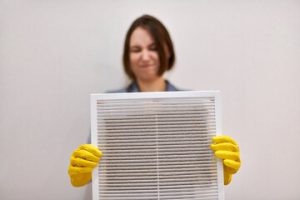
Once you have assessed the condition of your ductwork, the next step is to prepare the areas surrounding your HVAC system and vents. Technicians will need access to the return and supply vents, the air handler, and any other accessible components. Clear pathways and remove furniture, decor, and any obstacles that could impede access. In some cases, large items near registers or vents may need to be temporarily relocated. This preparation not only allows the cleaning team to work efficiently but also helps protect your belongings from accidental damage or dust exposure during the cleaning process.
Homeowners should also take steps to protect sensitive areas and belongings. While professional services use advanced equipment designed to minimize dust and debris spreading, some particles may still settle during the cleaning. Covering furniture, electronics, and flooring near vents with protective sheets or tarps is a practical precaution. Additionally, ensure that pets and children are safely confined or removed from the areas where cleaning will occur. Keeping these precautions in place contributes to a smoother process and reduces the likelihood of additional cleaning afterward.
Before the appointment, it is important to gather relevant information about your HVAC system. Note the type of system, the location of all vents, and any areas where airflow issues have been observed. If your system has not been regularly maintained, consider replacing the air filters beforehand or notifying the cleaning team so they can address them during the service. Providing this information allows the technicians to tailor their approach to your specific system and ensures that the cleaning process is comprehensive.
Communication with the cleaning service is another critical preparatory step. Contact the service provider to confirm the appointment time, expected duration, and scope of work. Discuss any particular concerns you may have, such as visible mold, persistent odors, or allergy sensitivities. Understanding what the service includes—such as debris removal, coil and blower cleaning, and optional sanitization or deodorization—will help set realistic expectations. Clear communication also allows the team to bring the necessary equipment and supplies, ensuring that the appointment proceeds without unnecessary delays.
Homeowners should also consider the timing of the cleaning appointment in relation to their daily schedule. Air duct cleaning can take several hours, depending on the size of the home and the complexity of the HVAC system. Planning for the service to occur when it causes minimal disruption to household activities makes the process more manageable. For families working from home, it may be helpful to schedule the cleaning when fewer people are present, reducing distractions and allowing technicians to move freely throughout the house.
In addition to these steps, it is wise to perform a quick pre-clean of accessible areas. Wiping down easily reachable vents and dusting surfaces before the appointment reduces the overall amount of loose debris and allows the technicians to focus on deep cleaning within the ducts. While professional equipment is designed to remove embedded dust and particles, reducing surface debris beforehand contributes to a cleaner, more efficient process.
Another preparatory consideration involves planning for potential follow-up. After the air duct cleaning, it is common to experience slight dust settling from the removal process. Homeowners should schedule time for any minor cleaning or dusting afterward, particularly near vents and registers. This post-cleaning step ensures that all traces of accumulated debris are addressed and allows for a final inspection to confirm that the ducts have been thoroughly cleaned.
During preparation, it is also beneficial to identify problem areas within your home that may require special attention. For example, rooms with high humidity or poor ventilation may be more prone to mold growth, while spaces near kitchens or laundry areas may have higher dust accumulation. Highlighting these areas to the technicians before the cleaning begins allows them to allocate additional time and resources as needed, ensuring that the cleaning is thorough and targeted.
Understanding the equipment and methods used during air duct cleaning can also help homeowners prepare. Professionals typically use high-powered vacuums, rotary brushes, compressed air tools, and specialized attachments to remove dust, debris, and microbial contaminants. Some services include antimicrobial treatments or deodorization to address odors and prevent mold growth. Knowing what to expect from the process can alleviate concerns and allow homeowners to make informed decisions about optional services that may benefit their specific situation.
Homeowners with pets should take additional precautions. Pet hair and dander are common contributors to duct contamination. Prior to the appointment, it is helpful to secure pets in safe areas or temporarily remove them from the home. Ensuring pets are out of the way prevents them from becoming stressed and protects them from equipment noise or movement. Informing the service provider of any pet-related concerns also allows technicians to adjust their approach to reduce disturbances.
Proper ventilation during and after the cleaning appointment is another consideration. While professional cleaning equipment includes high-efficiency filtration systems, having windows open where possible can improve airflow and help remove any residual dust particles. This also allows fresh air to circulate in the home, enhancing the effectiveness of the cleaning and contributing to a healthier indoor environment.
Homeowners should also prepare to participate in a final walkthrough with the cleaning team. A walkthrough provides the opportunity to inspect vents, registers, and the HVAC system to ensure the work meets expectations. It allows homeowners to ask questions about maintenance recommendations, potential system improvements, and strategies to prolong the benefits of the cleaning. Being involved in this step ensures transparency and provides peace of mind that the service was thorough.
Maintenance tips after the appointment are another aspect of preparation to consider in advance. Changing air filters regularly, scheduling periodic inspections, and addressing humidity control in the home can extend the effectiveness of duct cleaning. Discussing these recommendations with the technicians during the appointment helps homeowners establish a long-term maintenance plan that supports clean air circulation and reduces the likelihood of future buildup.
Air duct cleaning is not only about improving air quality—it can also enhance HVAC efficiency. When ducts are clogged with dust and debris, the system must work harder to circulate air, resulting in higher energy costs and increased wear on components. Preparing for the cleaning appointment ensures that the process is conducted efficiently, maximizing the benefits to both indoor air quality and system performance.
Finally, homeowners should plan for the logistics of the appointment. This includes confirming the estimated time for completion, arranging access to all areas of the home, and ensuring that valuables are protected. Being organized and proactive reduces stress on the day of the service and allows the technicians to focus on delivering thorough results without interruptions.
In conclusion, preparing for an air duct cleaning appointment involves several key steps that help ensure a successful, efficient, and thorough service. Evaluating the condition of your ducts, clearing access areas, protecting belongings, communicating with the service provider, and planning for follow-up cleaning are all critical components of preparation. By taking these measures, homeowners can maximize the benefits of professional air duct cleaning, including improved indoor air quality, enhanced HVAC system efficiency, reduced allergens, and a healthier living environment. Proper preparation not only facilitates a smoother process but also contributes to the long-term maintenance and performance of your home’s air circulation system.